Spoilers!
~ Estimated Reading Time: 9 min ~
Definitely the most daunting game I've ever written about?
More than anything, Final Fantasy X is another artistically loaded entry in this series. Extraordinarily expensive; aimless, but always firing in all directions. It shows in the mountain of detail worth studying in every pre-rendered background, every ethereally beautiful Hamauzu ambience, but that can also turn out as a random lightning mini-game. It's Final Fantasy. As someone who's grateful to have grown up with Final Fantasy VII - it being a game I've been able to warmly see new meaning in with age - finally getting around to one of its close follow-ups was a bit surreal. Even if I'm twenty years late, it made me feel like I had seen some unbelievable iteration between the two games as the team learned to express themselves through new technology. I would bet that Final Fantasy X is the type of game that deserves to be grown alongside as well, but I would like to share some of my newly born feelings on it for now.
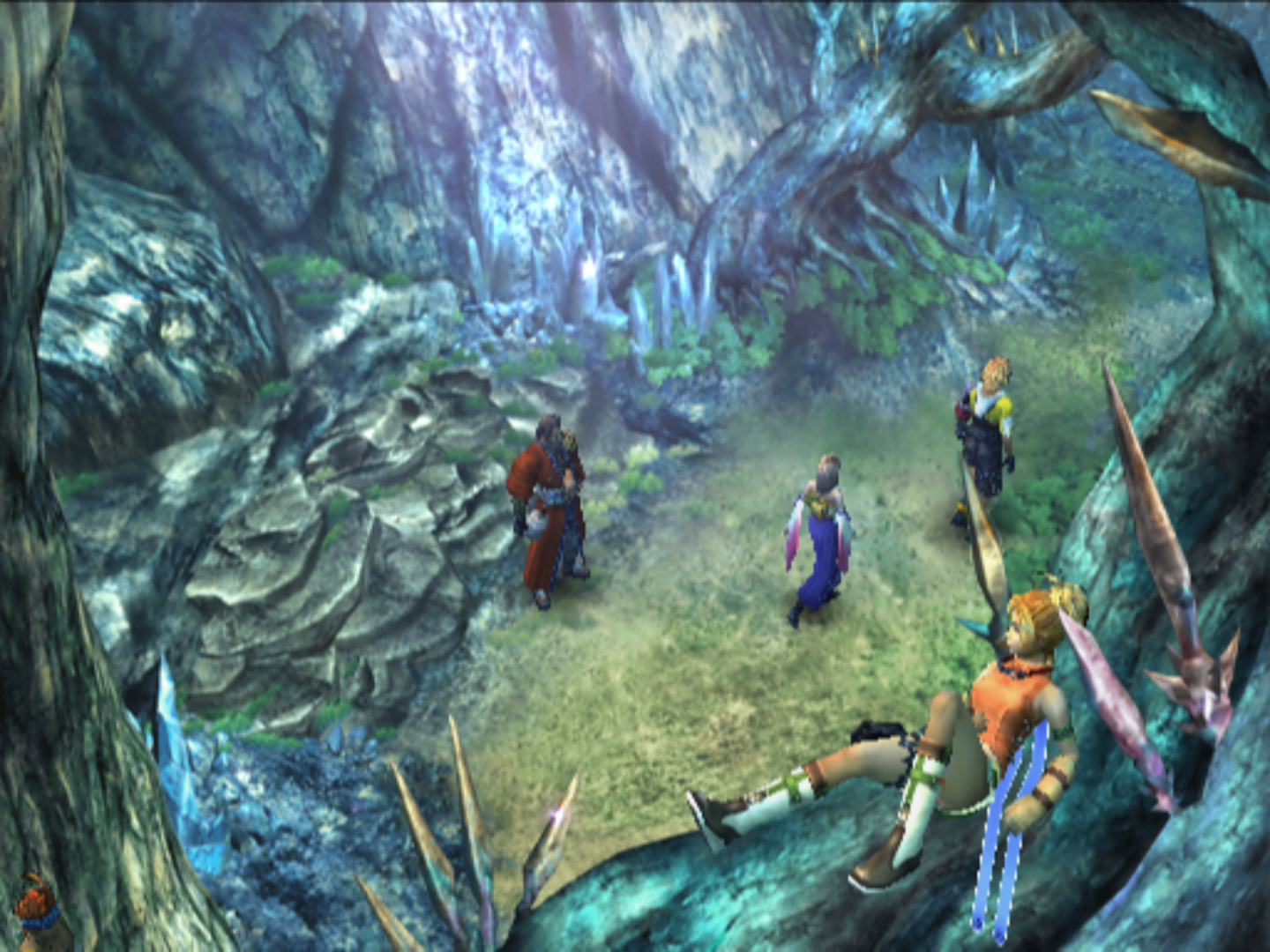
I'm not without qualms; the combat was a persistent point of disappointment for me. It's got that square block in square hole Persona 5-ian enemy instakill stank. A big point of developer self-touting is that Sphere Grid's customization is designed considering the player who cannot comprehend it in mind; every enemy is killable with the game's raw unmodified mechanics, you technically don't need to use it!! But I came to see that as a bit of a cowardly approach - if you don't present us with threats intertwined with the vast majority of the game's tools, what is there to customize for? Why build a specific Tidus in a game so unspecific? In all fairness, I had no opportunity to touch the international version's highly praised Expert Grid, but I can't help but think the last thing FFX needs is more customization. Of course, it's Final Fantasy X; sometimes I'm like oh, it's The Bird You OHKO With Soccer Ball, sometimes it's Holy Shit Yunalesca Phase 3. They do squeeze in a fantastic fight here and there, but it proved to me that its eye for reconsidering everything isn't fully matured. But how could I say Final Fantasy X has bad "gameplay", when it forced me to learn a fictional language so well, that I was recognizing words during auto-advancing sentences?
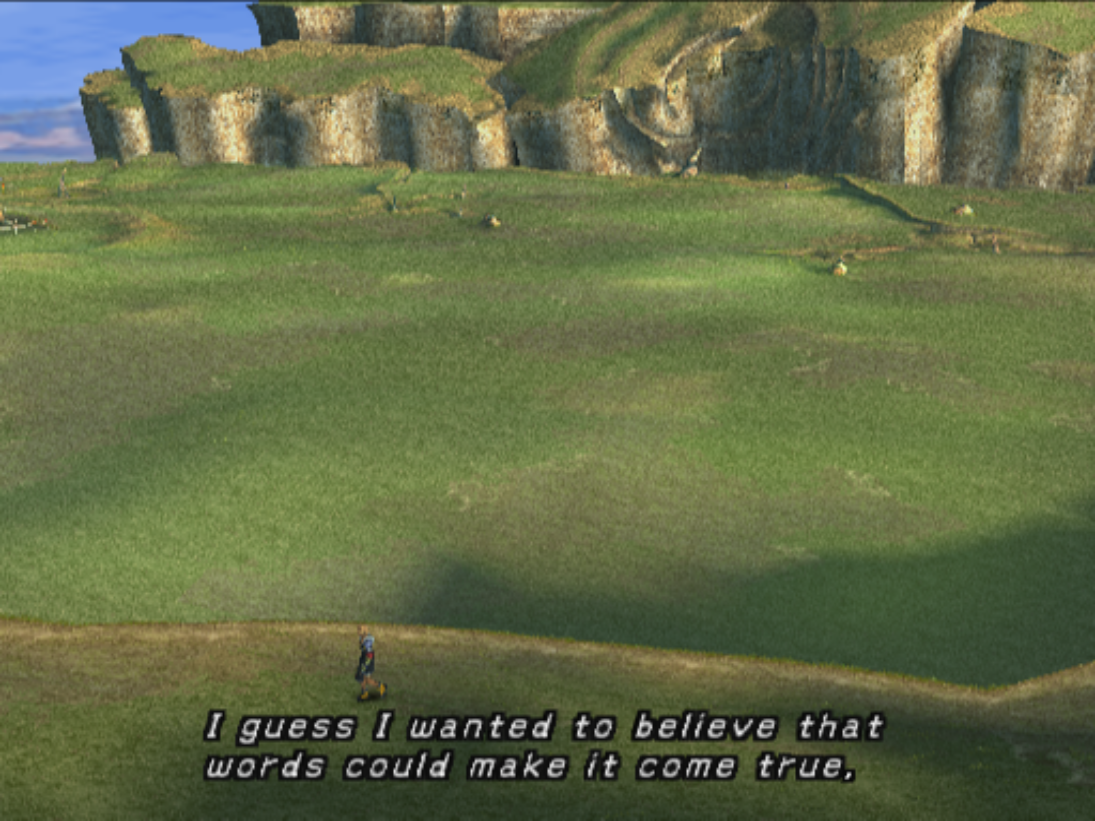
Sin destroying Kilika Port is a scene that flashed through my mind many times while playing. There is a harrowing weightlessness to it; each shot hanging on destructive force without motion to its shots, putting us in a powerless bystander's view. The immersive handcam-ish angles were powerful, demonstrative, and made me feel kinda awful. Shortly is this followed by Yuna performing her ritual dance to the dead as Hymn of the Fayth plays, to which Tidus is made uncomfortable by. It was hard not to put these things together when Hymn of the Fayth once again played - to a cutscene of Sin tearing through an entire army shore of people. Hymn of the Fayth builds that association with microcosms of Spira's flaws, and then hits you with every consequence of its maligned culture like a sledgehammer. Spira's religious iconography is what becomes the uniting pillar between the quiet flaws, and the baggage covered in blood.
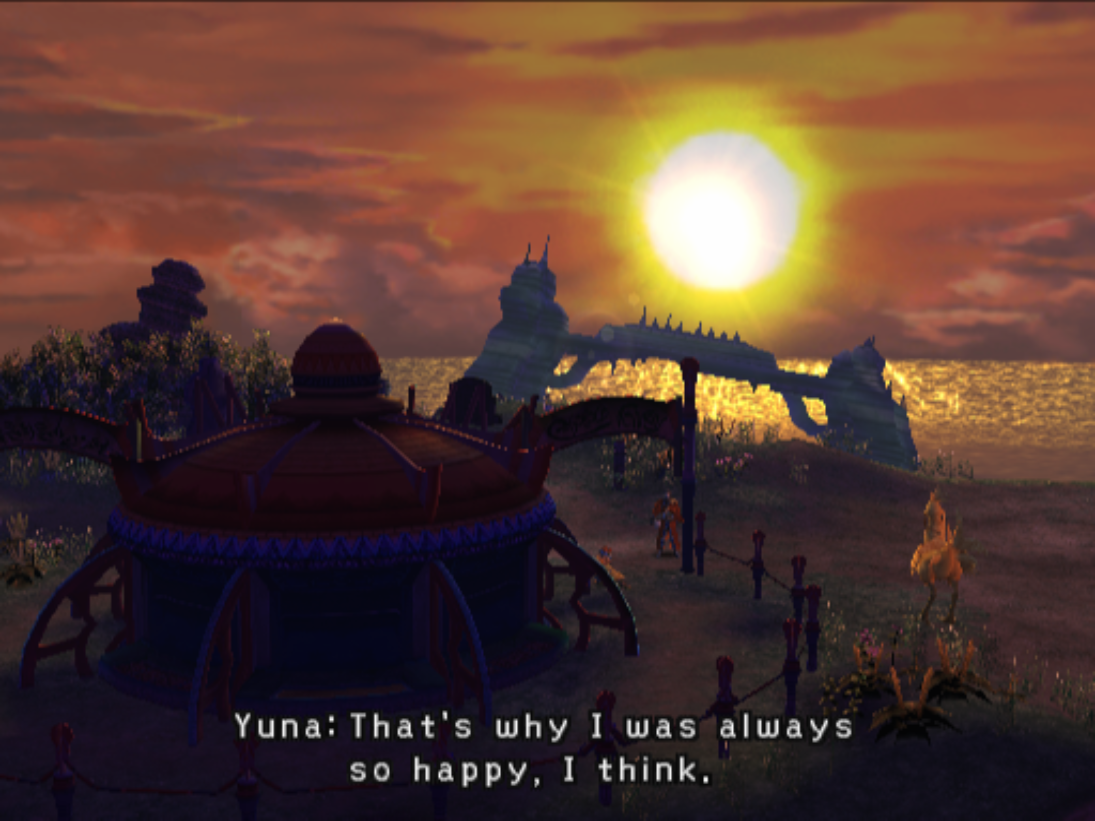
But if Tidus was simply someone who could throw away Spira, his perspective wouldn't be a useful one - which is why it's so important that FFX has such a humanistic view of the potential goodness that can exist within flawed empires. Tidus learns to pray, because why wouldn't he? You learn a language, because why wouldn't you? I was charmed by how the game uses Final Fantasy-isms as a sort of pushback against the player's ease. I felt vindicated to find an interview openly discussing that Spira's common clothing was based on BDSM garbs - a fashion that's still culture shocking teenagers to this day. But it has utter faith that you will in fact realize that Lulu's belt dress is sooooo pretty, actually. It rejects the notion of an enlightened foreigner entirely - instead positing that one who knows the system well will also know the holes in it better than you. One of Final Fantasy X's most tragic reveals is the true nature of Yuna's pilgrimage; it takes Tidus half a journey to learn what the serious implications of being brought up in Spira even are. The plot is only even able to present to you what you are stopping once you are knee-deep into retreading other's footsteps.
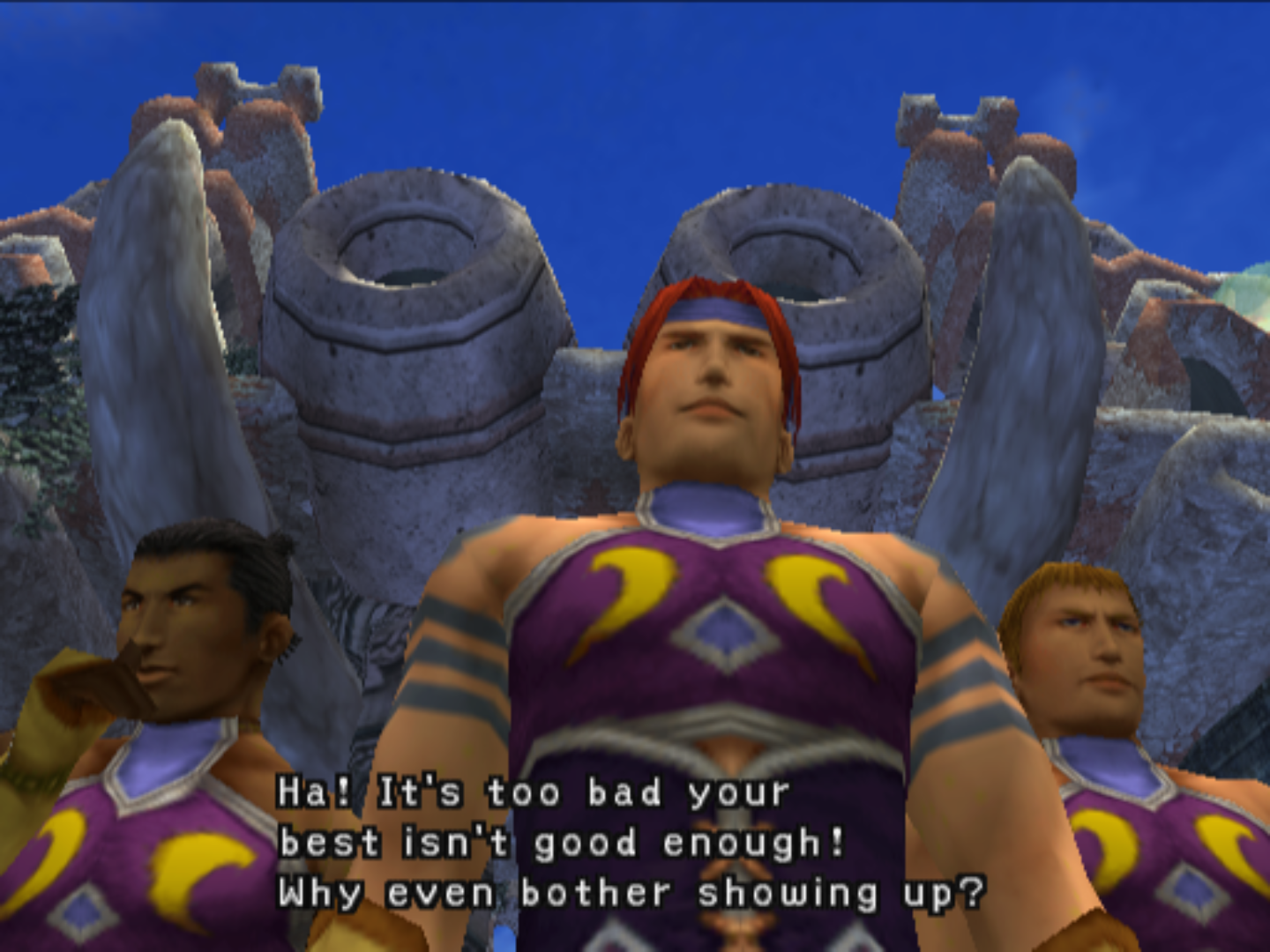
In recognizing small privileges in the cast's perspective, Final Fantasy X chooses not to disbelieve in the humanity of those before it. It understands that even within the confines of a multi-millennia status quo, every single soul before us had earnestly believed 'till the end that they could be the ones to make a difference. We reach Yunalesca, and our party is cleanly paralleled to the one before us - all of them hopelessly hopeful that something, anything, might reveal itself last second as a way out. And when our party does find that way out, that is how the story paints a clear line in the sand between kind beliefs, and action. What stops the cycle isn't solely old or new wisdom - but experience hardened into belief, solidified into real praxis towards change.
...After playing through that climax, I was a little dumbfounded that a story that believes so strongly in the average person's goodness was so often written off as another "dumb jrpg about killing gods" in the 2000s. It's more charitable towards the religious than anything I could ever write on the matter. They should've at least felt represented when a cool evil priest gets the coolest one liner in the game.
~ Warning: we are going to talk about existentialism and death and stuff here. it's the FFX ending after all ~
And at the center of its swirling politics is a decisively personal core of melodramatic teen romance.. Sometimes it felt like all this was just beautiful set dressing, so that you could cry when Yuna spoke of being taught from a young age how to fake a smile. There is such an evocative generational pain to her story, that it made me want to like...read. about the real life history that inspired this setting. and what use is this "consuming media" shit if i stay ignorant to where i'm exporting from
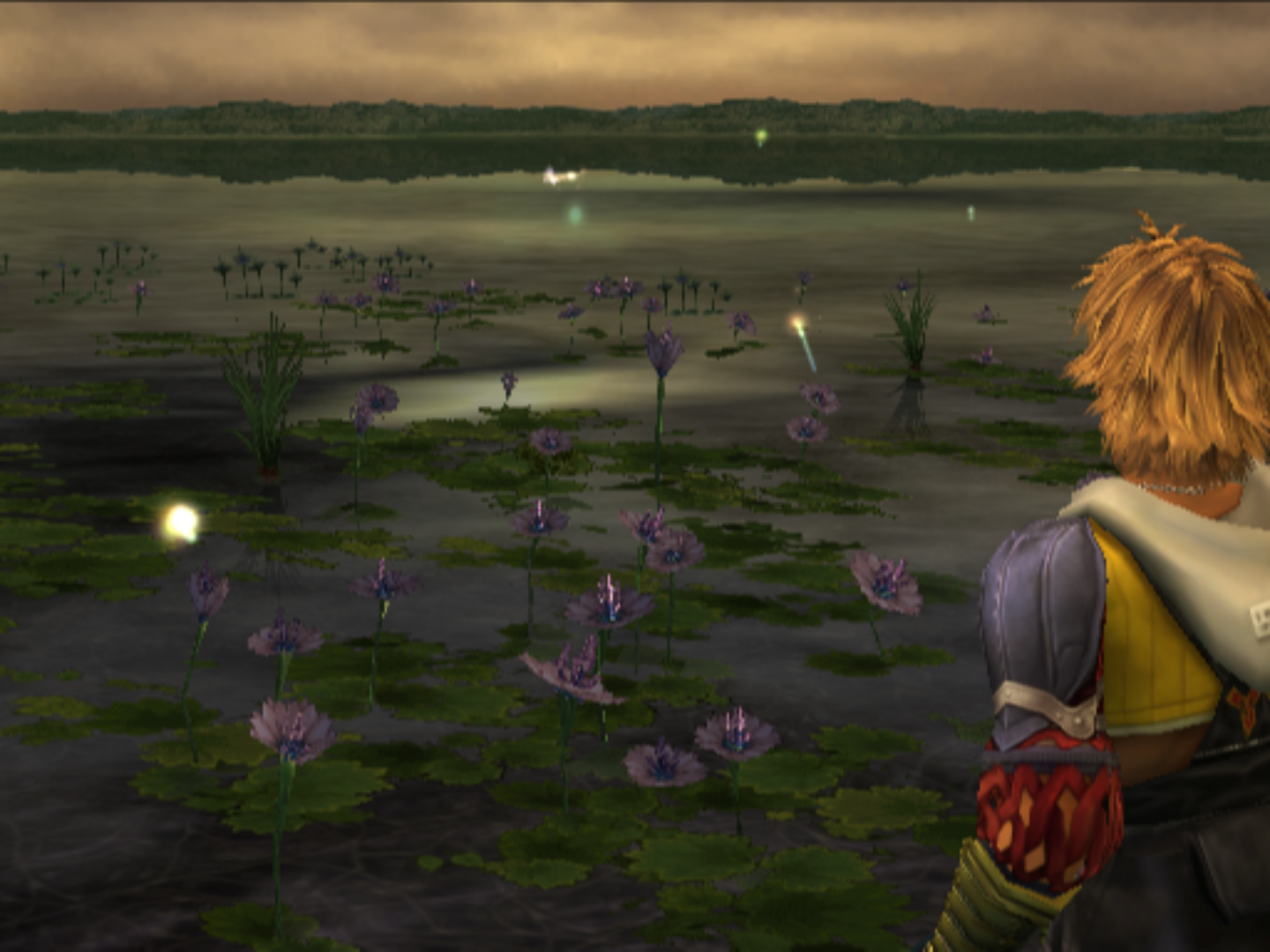
While I think one should absolutely think about the real world context behind the story, its grounded core made it easy to relate to its surface. I've struggled with existentialism for my life; since a young age, I've felt strongly othered in a way that made it hard to imagine myself functioning in society. And when you don't feel compatible with your surroundings, it's hard to imagine yourself co-existing - or to put it simply, living. For a long time, I thought the persistent imagination of my own death was solely a suicidal thought, but I realize now that it's more complicated than that. I didn't want to die, I just could only imagine taking my own life before I could imagine living into adulthood. Final Fantasy X is highly intrigued with this line of trauma, I think - albeit from a source of propaganda programming rather than propagandic ostracization. Yuna cannot imagine herself coming with Tidus to Zanarkand; she's had disbelief in her own future burnt into her brain so deeply, it hurts for her to lie about being able to imagine the truth. Even while discussing fundamentally different incompatibilities, the emotional simplicity of her saying "no, I can't" over and over as Tidus begs got me teary eyed.
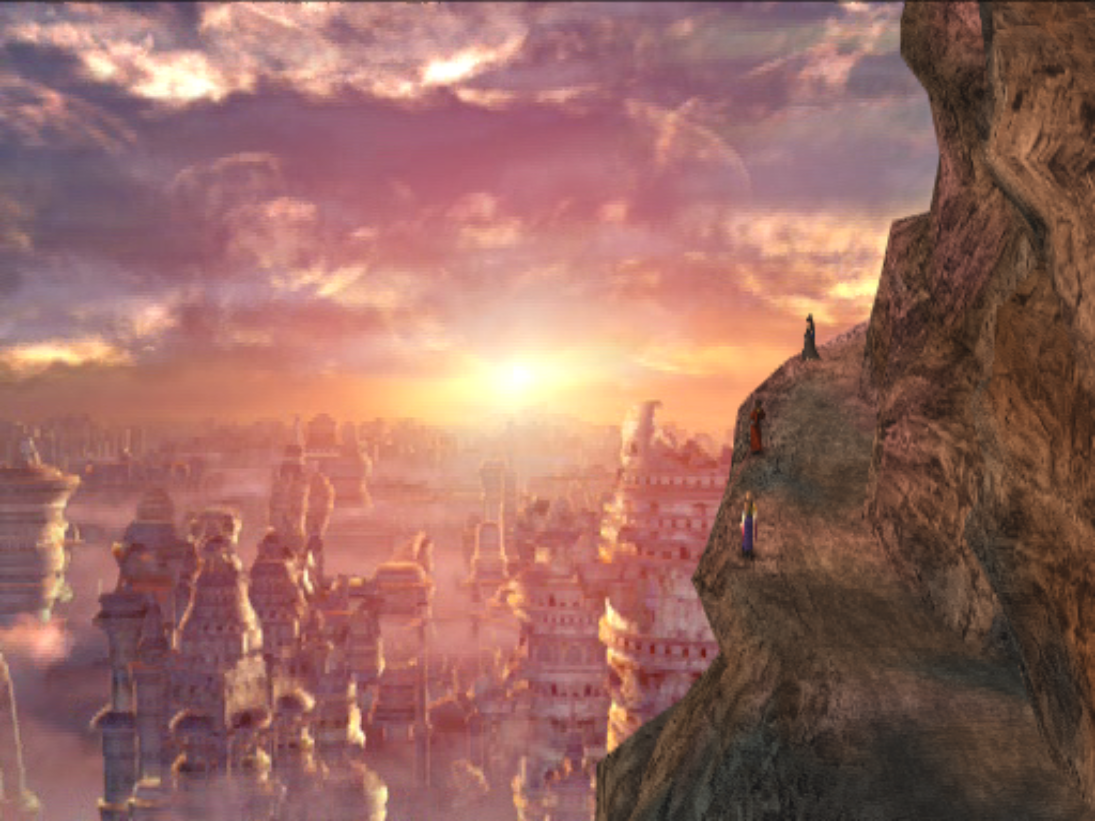
And, this year in particular, things got more aggressive than they had been in a long time. I was chasing a diagnosis for a chronic pain I had developed - one that escalated into me going into shock after enduring it for months. When I reached that climax, I was like...'how do i even imagine being functional after this? is there a life to go back to?' While I am deeply lucky to have slowly began healing as of now, I literally got to the game's final boss on one of the worst days, by awful coincidence. I don't think there's another moment I spent playing games that I remember as vividly as that. The ending has that same balance of optimism and bitter-sweetness I've come to expect from romanticist plot frameworks, but something about how it carries itself almost felt confronting. The way it had been hopeful so confidently until its final hours - in which even it couldn't imagine a perfect outcome - challenged me to keep up my optimism even through this final knife-twist. It challenged me to dream bigger than it could.
You can imagine a better world than the one we're now living in - millions before you had done so too.
But, can you dare to dream of yourself being allowed to step into that world?
Can you imagine a future where you and I could come home satisfied?
Wear the hope that has been passed onto you. This is your story, not anyone else's.